Safety Alert

Academic Programs Home | Academics | Academic Programs | Special Education Degree | Troy University

Special Education Degree | Troy University

Program Info

Degree Type:
Undergraduate
Questions?
(800) 414-5756
Application Deadline
None
Back to Top

Create Inclusive Classrooms with the TROY Special Education Degree

Want to teach students with diverse learning needs and abilities and help them find success in inclusive classroom settings? Achieve your professional goals with the bachelor's degree in collaborative/special education at Troy University — a program with a 100% special education teacher placement rate. As a special education major at TROY, you'll learn from an experienced faculty who are committed to your growth and success. You'll also gain valuable collaborative teaching experience through field experiences and an internship at local and regional schools, preparing you for teaching certification upon graduation.

Teacher assisting student
“My time spent in the College of Education has been nothing short of life changing. I came in knowing deep in my heart that I was meant to be a teacher, but I needed the tools to reach my dream. Throughout my time in the program, I have built so many relationships and learned so much about educating young minds and even more about myself. I am so grateful for each member of the faculty and staff at TROY. They truly care about all of their students and pour their entire hearts and souls into their career.”
Audrey Ellen Fowler | Special Education Teacher, Auburn City Schools | 2019 graduate, Collaborative K-6 Education

A Degree Tailored to Special Education Needs

Collaborative teaching is a cornerstone of special education. As a special ed teacher, you'll be working alongside students and their families; general education and other special education teachers; physical, occupational and speech therapists; social workers; and paraprofessionals every day to ensure that your students get the full support and education they need. TROY emphasizes collaborative teaching (sometimes called co-teaching) from the start of your special ed degree and ensures you'll be fully prepared to teach as part of a team when you graduate.

A Special Education Teacher Degree Led by Experienced Educators

As a special education major, you'll learn from TROY faculty who base their instruction on lived experience and application. Through the courses they teach, you'll learn collaboration, intervention, evidence-based instructional strategies and behavior support techniques. You'll also build competence in special education policies and procedures, and how to use educational technology to support learners with disabilities. But on top of that, you'll learn about the realities of being a special education teacher: the unique challenges and how rewarding it can be to ensure every student succeeds.
Apply Now

Collaborative Teaching Program Curriculum

As a TROY special education major, you'll take general education courses as well as courses specific to the subjects you'll be teaching in your career. The special education-specific courses will teach you about special education law, policies and procedures, and how to use evidence-based practices to support students with disabilities. You'll also receive hands-on experience in the form of internships and shadowing opportunities. Your specific courses will vary year-to-year and be based on your chosen concentration, but some examples of possible classes include:

Special Education Degree Locations

Get the flexibility you need by earning your special education degree online, on campus or through a blend of both. Complete the program 100% on the Troy Campus or through TROY Online, or complete more than 50% of courses in person on the Dothan Campus. For more information about program availability and delivery options, call 1-800-414-5756.

Get On-the-Job Experience Before You Graduate

Apply your classroom learning in professional educational settings through built-in, hands-on experiences at local and regional schools. Through field experiences and an internship in special education teaching, you'll be immersed in the special education field well before you graduate. You'll get in the classroom, but you'll also get to see the planning and collaboration that goes on behind the scenes in special education. You'll learn from experienced educators who will mentor and guide you, providing you with the feedback and insights you need to be successful in special education teaching jobs

Through your special education teacher internship, you'll build a strong, diverse network and make connections with potential employers and future colleagues. By gaining relevant teaching experience, you'll also enhance your resume and teaching portfolio. Additionally, you can become globally aware through study abroad opportunities with the College of Education and Behavioral Sciences.
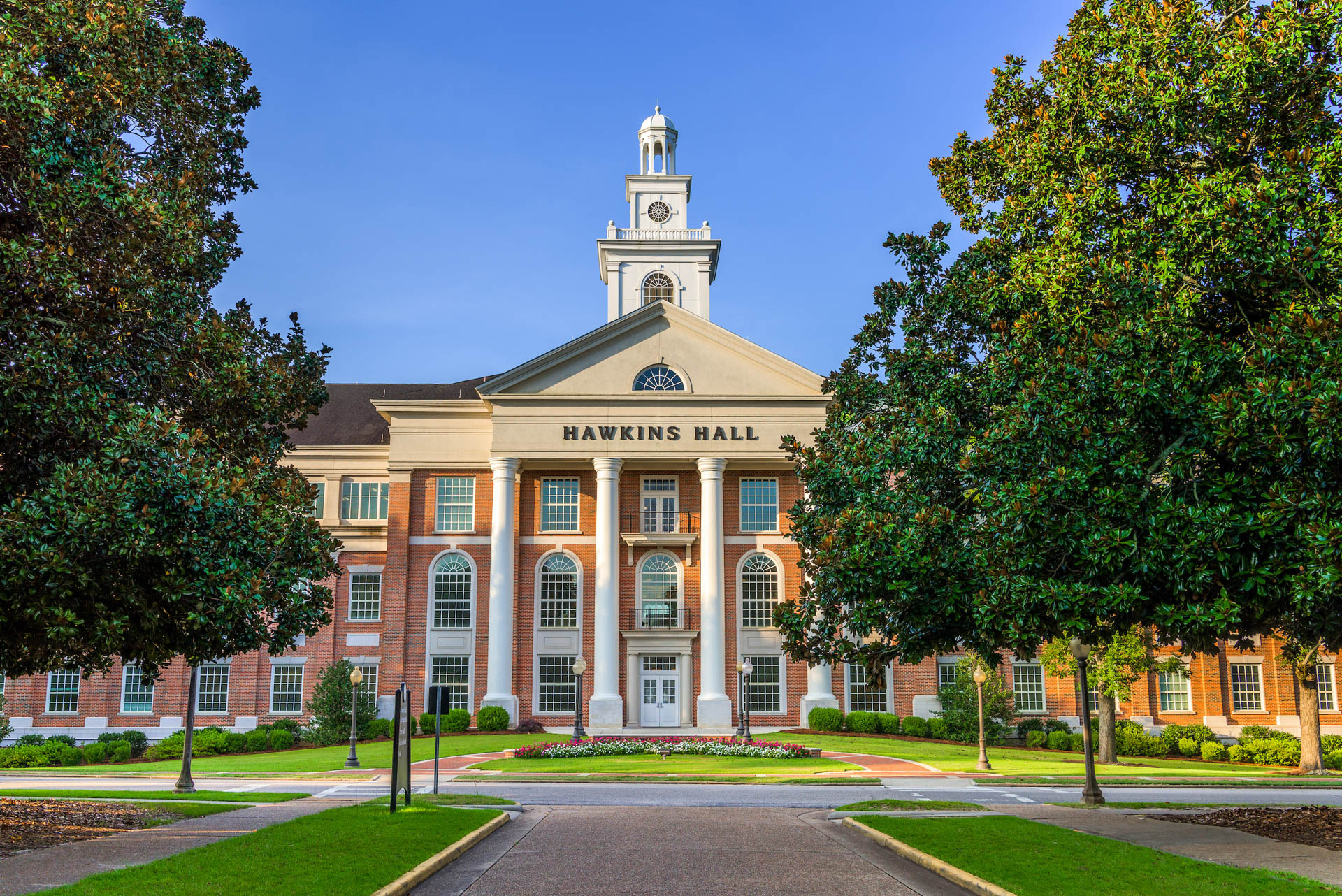
Hawkins Hall

Careers with the TROY Degree in Special Education

TROY's special education degree will specifically prepare you to be certified in Alabama as a special education teacher for either K–6 or 6–12, depending on your concentration. But you can also apply for certification in many other states or look at career opportunities in special education outside of the classroom.

Faculty Profiles

Dr. Joseph Johnson

Dr. Joseph Johnson

Dr. Joseph Johnson is Chair of the Teacher Education Department at TROY. He earned his Ph.D. from the University of Nebraska-Lincoln in 2011. Dr. Johnson has more than 13 years of experience teaching in secondary schools and more than 13 years of experience in higher education. He is also TROY's leader for the edTPA, a portfolio-based assessment required for an Alabama teaching license. Dr. Johnson teaches undergraduate and graduate student teaching seminars, and graduate-level special education methods courses.
Dr. Lauren Berlingo

Dr. Lauren Berlingo

Dr. Lauren Berlingo earned her Ph.D. in special education from Florida Atlantic University. She brings strong experience working with students with moderate/severe disabilities to the TROY special education program. Dr. Berlingo teaches special education content and methods courses on both the undergraduate and graduate level and continues to develop her research agenda.

Focus Your Special Education Degree with a Concentration

The special education teacher program at TROY has two different concentrations for you to choose between, depending on whether you'd prefer to work in primary grade (K–6) or secondary grade (6–12) education.
Collaborative/Special Education (Grades K-6)
The K–6 concentration primarily focuses on subjects and techniques you'll need to teach special education in kindergarten and elementary schools, such as reading intervention and basic mathematics.
Collaborative/Special Education (Grades 6-12)
The 6–12 concentration prepares you to teach special education to middle and high school students. In addition to learning about how to teach relevant subject matter for this age group, you'll also learn about vocational and transitional planning for special education students so that you'll be able to prepare your students for their futures outside of school.

FAQ About the Special Education Bachelor's Degree Program

Learn more about the field of special education and our program.
What are some career opportunities in special education?
The most common career for TROY graduates is teaching in a special education classroom at a private, public or specialized school serving students with disabilities. However, there are jobs in special ed outside of teaching, including early intervention specialists, IEP case managers and assistive technology specialists.
How do I become a special education teacher?
The requirements for a special education teacher vary by state and location. However, you will need a bachelor's or master's degree in special education or education or to pass a certified special education teacher preparation program. You then need to pass the required certification exams for your location and apply for licensure. At TROY, all of our education degree programs follow the standards and expectations for teaching certification in Alabama, and you'll be prepared to take your certification exams and apply for licensure when you graduate.
How much do special education teachers make?
As of May 2024, the median wage for special education teachers in the U.S. was $64,270. Special ed teachers in secondary schools averaged $69,590, and those in elementary schools averaged $63,000 annually. This is slightly higher than the average salaries for secondary school and elementary school teachers outside of special education, who average $65,220 and $62,340, respectively.
What do special education teachers do?
Special education teachers instruct students with learning and other disabilities that affect their ability to learn in a general education classroom. They are responsible for adapting their lessons and plans to meet student needs and follow their IEP plans as well as collaborating with other education professionals (such as physical, occupational, and speech therapists, paraprofessionals and other teachers) to ensure that their students get the support they deserve.
What is co-teaching in special education?
Co-teaching in special education may refer to two or more teachers working together to teach a class of diverse students, both with and without disabilities, so that students can receive individual or small- group attention when needed while still being in an inclusive classroom.

Collaborative teaching in special education may refer to the way special education teachers work with other education professionals to plan and deliver each student's education based on their individual needs and goals.

News

If your goal is to become a special education teacher, TROY offers two collaborative degree programs — one for those who want to teach kindergarten through sixth grade (K-6) and one for those who want to teach grades 6-12.

How to Become a Special Education Teacher

The path to becoming a special education teacher varies for every educator. Take Troy University's Dr. Joseph Johnson, for example. Even though he holds master's and doctorate degrees in special education, how to become a special education teacher wasn't on his mind when he applied to Appalachian State University as an undergraduate.

Read More

INTERESTED IN
APPLYING TO TROY?

Take the Next Step!