Safety Alert

Academic Programs Home | Academics | Academic Programs | Environmental and Biological Sciences

Environmental and Biological Sciences

Program Info

Degree Type:
Graduate
Questions?
(800) 414-5756
Application Deadline
None
*Available for International Students
Back to Top

Solve Environmental Problems with a Master's Degree in Environmental Science

Develop the interdisciplinary skills you need to tackle complex issues at the intersection of the environment and biology with Troy University's Master of Science in Environmental and Biological Sciences degree. In TROY's program, you'll broaden your perspective and gain comprehensive knowledge and skills so you can understand and solve real-world problems. Our program emphasizes effective communication with stakeholders, conflict management, and the economic, social and political implications of environmental and biological sciences.
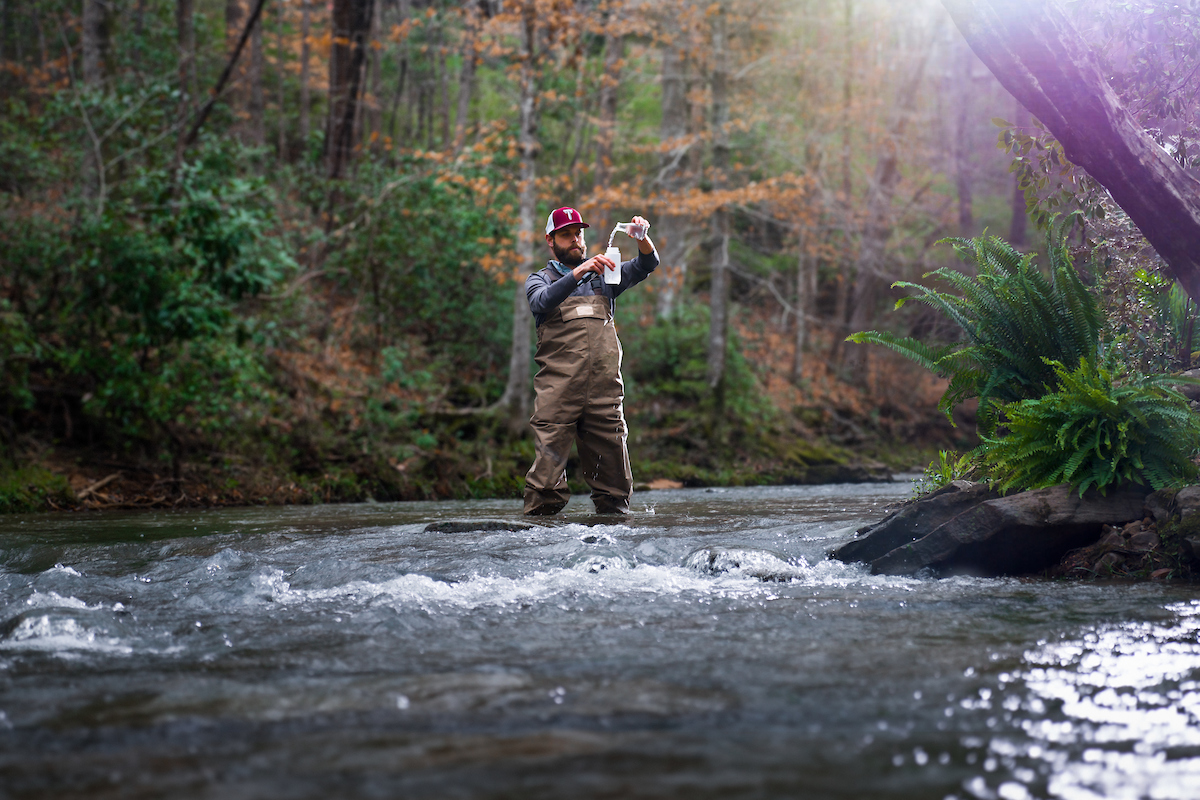
Master’s in environmental science student stands in a creek while taking a water sample.
“I am studying the effects of invasive crayfish and dams on native crayfish assemblages. Specifically, I am interested in how the trophic dynamics and morphology of native crayfishes differ in stream reaches under these conditions using a combination of stable isotope analysis, gut content analysis and geometric morphometrics. ”
Brian Helms | Current Graduate Student

An Interdisciplinary Master's in Environmental Science

Develop a comprehensive skill set that will help you create positive change in the environment. TROY's program combines environmental and biological sciences, covering topics like environmental ethics, public health, research methods and management strategies. This approach gives you a well-rounded understanding of how to tackle some of the most pressing challenges of today and tomorrow. You'll graduate prepared to provide solutions that balance environmental preservation with economic and social considerations.

An M.S. in Environmental Science with Two Tracks

Choose between two tracks according to your interests and career goals. The thesis track emphasizes research and writing skills, preparing you for Ph.D. programs and academic positions in environmental and biological sciences. The non-thesis track equips you with applied research skills for professional environmental and biological sciences jobs. Regardless of the track you choose, you'll gain hands-on experience in areas such as restoration ecology, conservation biology, water conservation and more.

Apply Now

Master of Science in Environmental and Biological Sciences Curriculum

While specific courses may vary from year to year, coursework for the environmental science master's program includes:
Academic Catalog Degree Map

Environmental Science Master's Program Locations

Earn your master's in environmental science online with the non-thesis track or study on-campus for the thesis option. For more information about program availability and delivery, call 1-800-414-5756

Learn from Environmental and Biological Sciences Experts
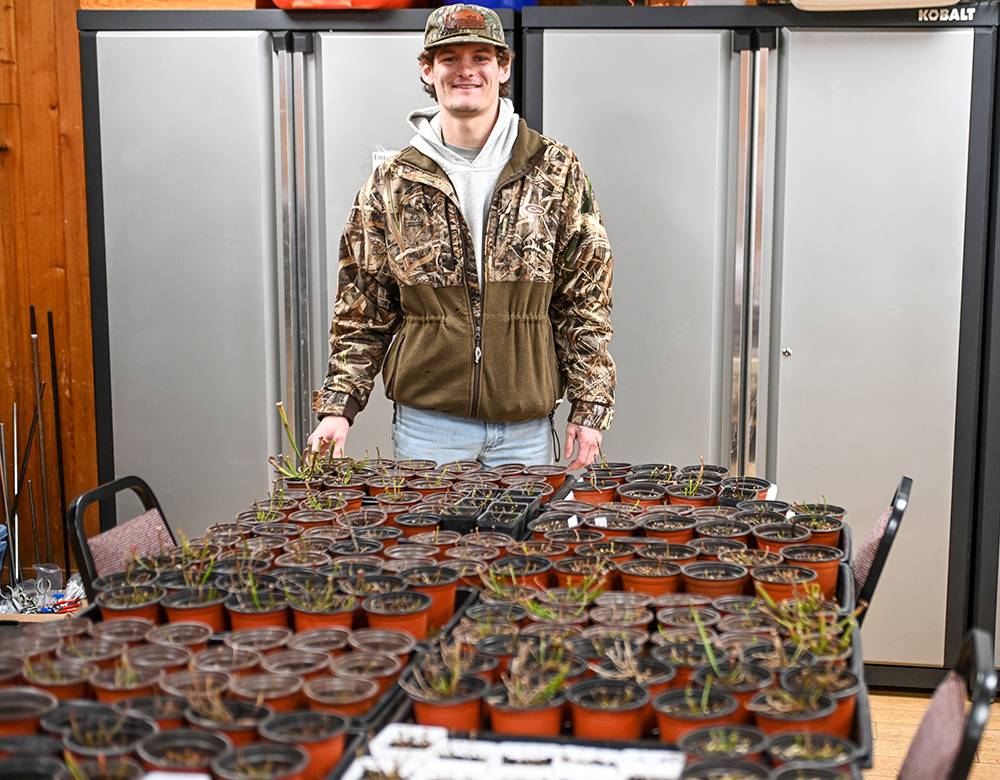
At TROY, you'll learn from and work alongside faculty with a wide breadth of expertise, from community ecology to coastal shoreline protection. Through their mentorship, you'll gain exposure to cutting-edge research methodologies and projects, develop as a scientist and explore unique topics within the environmental and biological sciences. Whether you want to work in government, industry or research, our faculty will help you achieve your career goals.
Troy student showcasing plant saplings

Environmental and Biological Sciences Jobs

With a master's in environmental science from TROY, you can work in a wide variety of settings, including government agencies, energy companies, consulting firms, research labs and academic institutions.

Faculty Profiles

Christopher A. Boyd, Ph.D.
Christopher A. Boyd, Ph.D.

Dr. Christopher Boyd is an associate professor of restoration ecology. His main research interests include alternatives for coastal shoreline protection, environmental policy, soil conservation and water quality, sustainable development and conservation biology.
Brian Helms, Ph.D.

Brian Helms, Ph.D.

Dr. Brian Helms is an associate professor and the environmental and biological sciences graduate coordinator. His main research interests include stream community ecology, ecological restoration and natural history and conservation of freshwater invertebrates.
Jacqueline Jones, Ph. D.

Jacqueline Jones, Ph. D.

Dr. Jacqueline Jones is an associate professor and the director of the biomedical science graduate program. Her main research interests include cancer pathology and genetics, bone immunology and tumor microenvironment.

FAQ About the Environmental Science Master's Program

Learn more about the environmental and biological sciences and our program.
What can you do with a master's in environmental science?

With a master's in environmental science, you can pursue careers in fields like environmental management, conservation, sustainability, policy development, research, consulting and education. Common job titles include environmental scientist, ecologist, natural resource specialist, environmental consultant and conservation biologist. You can find environmental and biological sciences jobs in industry, higher education, government agencies or nonprofit organizations focused on environmental issues.

News

Dr. Chris Boyd and his team collected water and other samples from over 70 sites along the Choctawhatchee Bay.

TROY faculty develops oyster suitability model in collaboration with environmental, county agencies

Troy University environmental science faculty recently developed an oyster habitat suitability model for the Choctawhatchee Bay as part of a $114,843 grant from the Choctawhatchee Basin Alliance and Northwest Florida State College.

Read More

INTERESTED IN
APPLYING TO TROY?