Counseling
Program Info
A Life-Changing Career in Counseling
Do you have the gift of listening and a passion for helping others? As a counselor or therapist, you have the power to help people find comfort, empowerment and life change by objectively listening to their concerns and determining their needs. Let TROY help take your education and career to the next level by pursuing your master's degree in counseling.
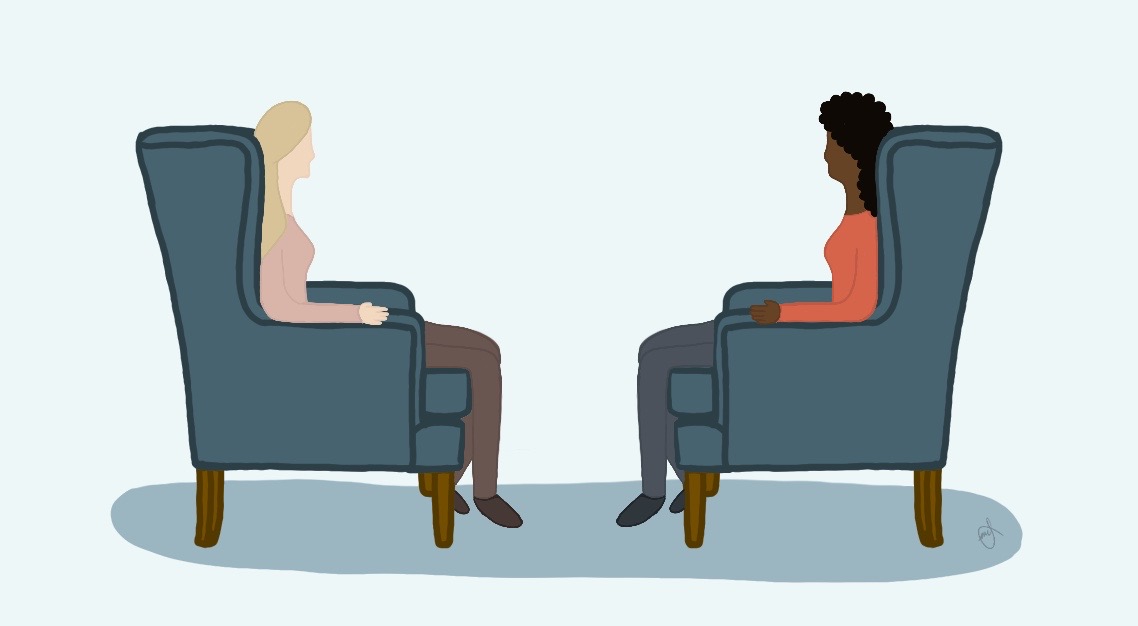
Gain a Deeper Understanding of Counseling
TROY's counseling program is designed with your busy life in mind. With a dynamic mix of synchronous and asynchronous learning, you can easily fit your studies around work, family, and personal obligations. Additionally, you'll have the opportunity to connect in person during the two three-day required residency sessions, where you can strengthen clinical competencies through experiential learning activities, foster professional identity and ethical decision-making, engage in faculty mentorship and peer networking, and demonstrate proficiency in counseling techniques through live practice and feedback.
Accredited degree programs
Master of Science in Counseling Curriculum
Counseling
TROY's Counseling programs are offered to students online and require two three-day in-person residencies during the program. For more information about program availability, call 1-800-414-5756
What Can You Do with a Graduate Degree in Counseling?
Troy University's graduate counseling programs train professional counselors who can
significantly impact many people's lives. Whether students interested in the field
want to work in a school setting, a vocational rehabilitation center, a mental health
clinic, or another setting, TROY's counseling degree programs offer the necessary
training and certification courses to prepare counselors to change lives.
The essential requirement to practice as a counselor is a master's degree. A national
exam and licensure process are also part of preparing to practice as a professional.
Licensure requirements vary by state. In Alabama, the post-master's supervision experience
required for licensing is 3,000 supervised clinical hours. The state of Georgia's
licensing requirements for post-master's supervision experience varies by degree (e.g.,
master's, specialist, doctoral), requiring a range of 1,000 – 3,000 supervised clinical
hours. In Florida, the post-master's supervision required for licensing is 1,500 supervised
clinical hours. If students have taken the National Counselors Examination (NCE) or
the National Clinical Mental Health National Examination (NCMHCE) before graduating
from TROY, they will only need to accumulate the supervised clinical hours after graduating.
For those interested in a career in counseling, the job outlook is robust. Counselors work in so many settings from schools, private practice, mental health clinics, vocational rehabilitation centers, corporate businesses with Employee Assistance Programs (EAP), child protective service agencies, community organizations and religious organizations.

Careers in Counseling
For those interested in a career in counseling, the job outlook is robust. Counselors work in so many settings from schools, private practice, mental health clinics, vocational rehabilitation centers, corporate businesses with Employee Assistance Programs (EAP), child protective service agencies, community organizations and religious organizations.
Faculty Profiles
Shelley Reed, Ph.D., LPC, CACII, MAC, CPCS
Samantha Booker, Ph.D.
Tailor Your Counseling Master's Degree with Focus Area
Degree Plan - Clinical Mental Health Counseling
TROY's dedicated and celebrated counseling will familiarize you with the laws and
regulations that govern the disability field. In this program, you'll be equipped
to understand the causes and treatments of disabilities as well as various counseling
theories and techniques. Your degree will also prepare you to recommend workplace
accommodations for individuals with various disabilities, perform labor market and
job analysis and facilitate the employment of individuals with disabilities through
advocacy and assistance with job searches. A master's degree is necessary to become
a Vocational Rehabilitation Counselor.
TROY's unique Rehabilitation Counseling program allows the student to select one of
five concentration areas:
- Addictions Counseling
- The addictions Counseling Concentration assists rehabilitation counseling students to work more effectively with individuals with co-occurring disabilities including drug, alcohol, and other substance abuse disorders. The curriculum emphasizes treatment modalities, prevention, and intervention.
- Clinical Rehabilitation
- The concentration in Clinical Rehabilitation provides the students with knowledge and skills in behavior pathology, diagnosis and treatment planning, and family therapy needed as a rehabilitation counselor specializing in services to individuals with mental illness.
- Counseling Military Population
- Students who complete a Concentration in Counseling Military Populations are uniquely qualified for a rehabilitation career in which they will assist members of the military, veterans, and their families with adjustment and employment issues.
- Public and Community Rehabilitation
- The Public and Community Rehabilitation Concentration is designed to prepare students with the advanced job development techniques and work accommodation skills needed in the rehabilitation of individuals in federal/state rehabilitation agencies and community rehabilitation programs.
- Rehabilitation and Deaf/Hard of Hearing
- The Concentration in Deaf and Hard-of-Hearing Studies prepares students for a career
as a rehabilitation counselor for this specialty population. The curriculum includes
exposure to Deaf culture, advocacy, and leadership, and the opportunity to become
proficient in American Sign Language (ASL).
- The Concentration in Deaf and Hard-of-Hearing Studies prepares students for a career
as a rehabilitation counselor for this specialty population. The curriculum includes
exposure to Deaf culture, advocacy, and leadership, and the opportunity to become
proficient in American Sign Language (ASL).
Degree Plan - Rehabilitation Counseling
Degree Plan - School Counseling
FAQ About the Master of Science in Counseling
- M.S.: Master of Science is the degree designation for the Clinical Mental Health Counseling or Rehabilitation Programs (these programs are CACREP accredited)
- M.Ed.: Master of Education is the degree designation for the School Counselor Program (this program is CACREP accredited and regulated by the Alabama Department of Education).
- Ed.S.: Education Specialist is a postgraduate degree in either School Counseling or Counseling
- Complete a graduate degree in counseling.
- Identify and complete the individual state requirements for licensure.
- Apply for and complete a graduate degree in a counseling specialty (clinical mental health, rehabilitation, etc.)
- Identify state requirements for certification as a substance abuse counselor (every state is different).
- There are 3 National Organizations that certify Addiction Counselors: NAADAC, IC&RC, and NBCC.
News

Counseling Military, Vets and Families: Get the Skills You Need
When he was 19 years old, Dr. Tregon Fitch discovered that a minor hearing disability would prevent him from following in his father's footsteps and joining the army.
Read More