Social Science
Program Info
Help Move Society Forward with a Master of Social Science
The social sciences offer a clear view into some of the most relevant and intriguing parts of our world, from human behavior to the land on which we live. Through the Master of Social Science at Troy University, you'll be prepared to understand and contribute to our world in new, meaningful ways. Whether you want to pursue a career in a specific social science discipline or go on to further graduate study, TROY's fully online, interdisciplinary program offers comprehensive preparation for achieving your academic and career goals.

Build a Broad Foundation in Social Science
TROY's social science master's program helps you gain a base knowledge in the social sciences and their principles and research methods, then allows you to delve deeper into a specific discipline. Social sciences included in the program are:
- Anthropology
- Criminology
- Geography
- History
- Political Science
- Psychology
- Sociology
You can further customize your degree by taking electives outside of your concentration.
Research Experience and Expertise for the 21st Century
Understand the latest research methods to address today's social problems in our increasingly multicultural and digitized age. TROY's master of social science program offers professional training in analytical software such as SPSS and GIS, along with multiple hands-on research opportunities, including archaeological excavations, focus group research, applied sociological research projects and other community-based experiential projects. You'll also learn how to analyze data and statistics, use critical thinking and problem-solving, and communicate your findings — all valuable skills that can translate to a range of jobs and industries.
Master of Social Science Curriculum
Earn Your Master's in Social Science Online
Get the flexibility you need with fully online graduate courses in the social sciences. For more information about program availability and delivery options, call 1-800-414-5756.
Learn from Leading Researchers and Social Scientists
In TROY's social science master's program, you'll learn from faculty across disciplines with various research interests and expertise. Our faculty will encourage you to apply critical thinking, technology and an interdisciplinary, multicultural perspective to solving practical problems. Through them, you'll also learn to communicate effectively and to evaluate individual and community needs.
Our social science faculty are widely published and have worked in education, law enforcement, digital forensics, sociology and more. They've also led archaeological projects, narcotics task forces, community projects and other initiatives, which they can speak to in courses. Modeling strong leadership skills, our faculty challenge you to engage in active listening, creative thinking and decision-making — and inspire you to achieve excellence.

What Can You Do With a Social Science Degree?
A master's degree in social science can lead to a wide range of careers. Depending on your chosen concentration, you can go into various fields, including government, anthropology, sociology, psychology, etc. Social scientists are in high demand in the public and private sectors, government and the military.
Faculty Profiles
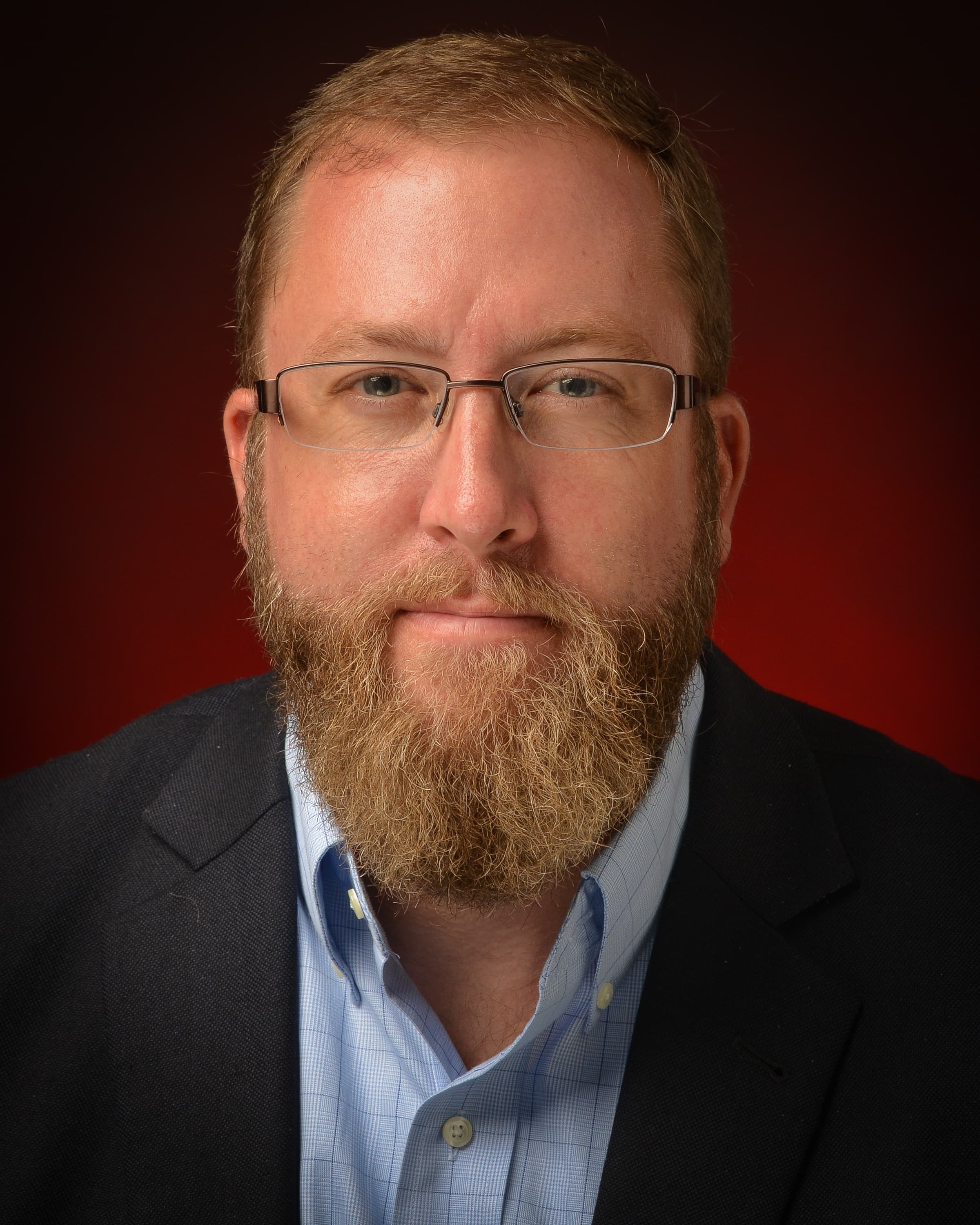
Dr. Stephen Carmody
Focus Your Studies With a Concentration
Study the origins and social relationships of human beings. In this concentration, you'll examine various topics related to human relationships, including perspectives of religion, ethnographic methods, sex and gender, medical anthropology and more. This concentration directly prepares you to continue your studies with a doctorate in anthropology or for such roles as:
- Cultural resource manager
- International development worker
- Ethnographer
- Archaeologist
- Archivist
- Museum curator
- Forensic anthropologist
- Paleontologist
Analyze the causes and effects of criminal behavior and learn how to prevent it. This concentration includes courses in criminological theory, criminal justice policy, victimology and others. Focusing your social science degree on criminology helps prepare you for careers in fields such as law, criminal justice, investigation and policy and for roles such as:
- Criminologist
- Crime scene investigator
- Police detective
- FBI agent
- Forensic scientist
- Forensic psychologist
- Fraud investigator
- Police officer supervisor
- Senior corrections officer
- Warden
Understand the physical and human aspects of the Earth and its regions. In this concentration, you'll learn about geography through urban, political, international and other perspectives. This concentration prepares you for careers in conservation, international relations, geographic information systems and more. Some jobs you might pursue after this concentration include:
- Climatologist
- Land protection and stewardship specialist
- Environmental restoration planner
- Geospatial analyst
- Survey researcher
- Park ranger
- Transportation planner
Explore the historical development and historiography of various regions worldwide. This concentration includes a wide variety of history courses, such as European, military, colonial American, African American and modern history.
Through it, you'll be prepared for careers as a:
- Archivist
- Curator
- Museum research associate
- Historian
- History teacher
- Historic preservationist
- Legislative assistant
- Policy analyst
- Research analyst
Prepare for careers in public administration, politics, international relations, government and others. This concentration includes coursework in foreign policy, American and international politics, leadership and intercultural relations.
Some jobs in political science include:
- Economist
- Lobbyist
- Journalist
- Political campaign manager
- Policy analyst
- Political scientist
- Legislative assistant
- Legislative analyst
- Political consultant
- International business development analyst
Study human behavior and mental processes in various demographics and contexts. The psychology concentration includes courses in personality assessment, behavior analysis, gerontology, child and adolescent psychology, research methods and more.
Focusing your degree with the psychology concentration prepares you for roles such as:
- Mental health coordinator or case manager
- Industrial-organizational psychologist
- Market researcher
- Public affairs specialist
- Change management consultant
- Executive coach
Examine society and social interactions and work to understand social phenomena and problems. This concentration includes coursework in gender, gerontology, health, criminology and more. You'll be prepared for careers in education, social work, public policy and research or to pursue additional graduate studies in sociology or related fields.
Some possible jobs include:
- Research assistant
- Community researcher
- Market research analyst
- Sociologist
- Sociological researcher
- Urban developer
- Diversity coordinator
- City planner
- Crime statistician
- Violence prevention specialist
Related Programs
FAQs About the Master of Science in Social Science Program
Social sciences are the disciplines that give us insight into human society through different lenses. They are fundamental to understanding human behavior, current and historical events and ourselves. At TROY, the social sciences encompass:
- Anthropology: the study of the origins and social relationships of human beings
- Criminology: the study of crime and criminal behavior
- Geography: the study of land, people and economics
- History: the study and interpretation of the past and comparison to the present
- Political Science: the systematic study of political institutions and behavior
- Psychology: the study of the human mind and its functions
- Sociology: the study of human lives, societal changes, social causes and the consequences of human behavior
Helpful Links
News

What Are The Social Sciences?
Whether it's social unrest, a crucial policy decision or a global pandemic, social scientists are the ones who help us navigate — and learn from — these events. The social sciences are fundamental to understanding human behavior, historical events and, ultimately, ourselves.
Read More